People first. Property second.
Evacuation orders outrank every packing list. If officials tell you to leave—or you believe you are in immediate danger—take the people and animals in your care and go. Do not delay to finish packing.
Two routes. One destination. No guessing.
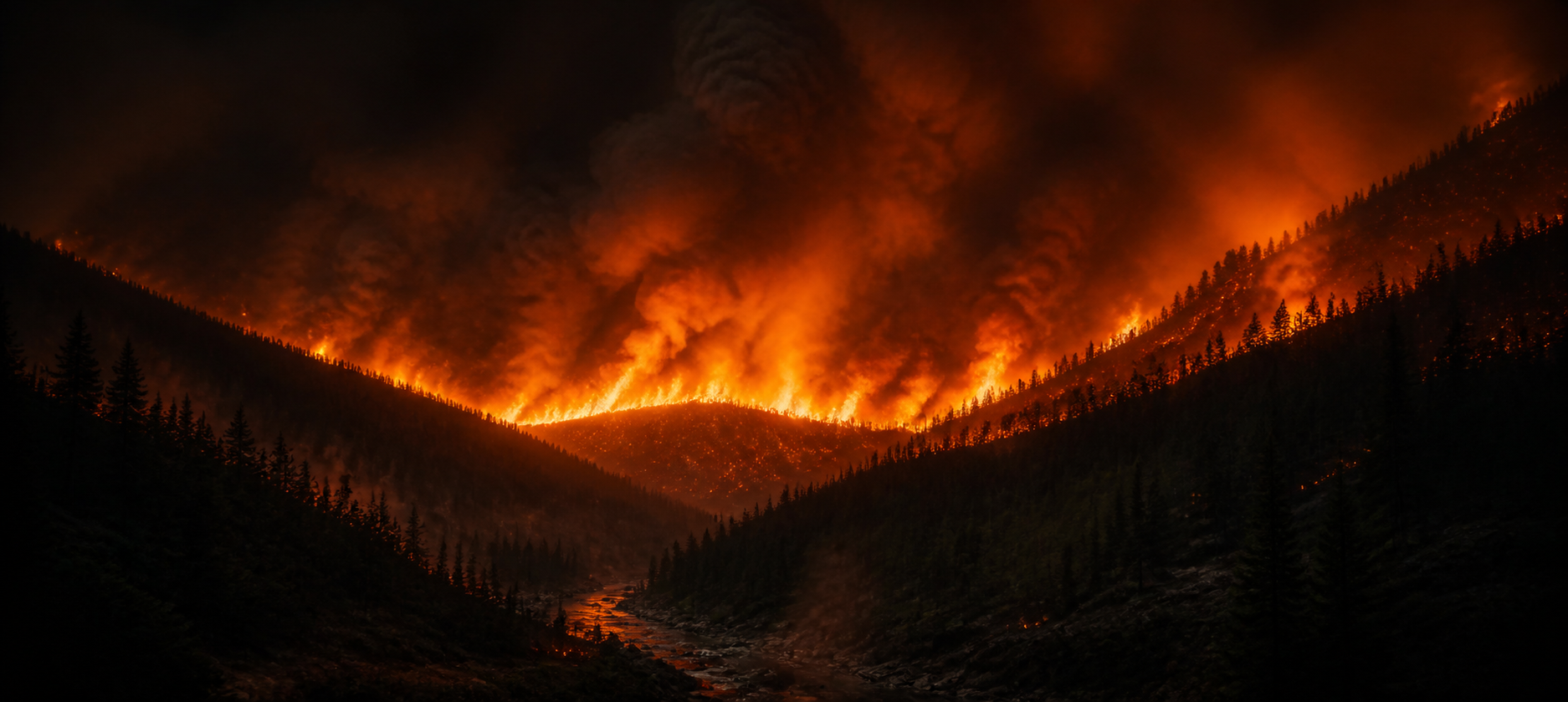
Wildfires can change direction quickly, close familiar roads, interrupt power, and overwhelm cellular networks. Make the decisions while the sky is clear.
- 01Choose two escape routes
Map at least two ways out of your neighborhood and practice them. Follow official routes during an incident.
- 02Name the destination
Choose a safe place outside the threatened area and confirm that it accepts pets or other household needs.
- 03Keep the vehicle ready
Maintain fuel or charge, keep keys accessible, and park facing the direction you expect to leave when conditions become concerning.
- 04Turn on local alerts
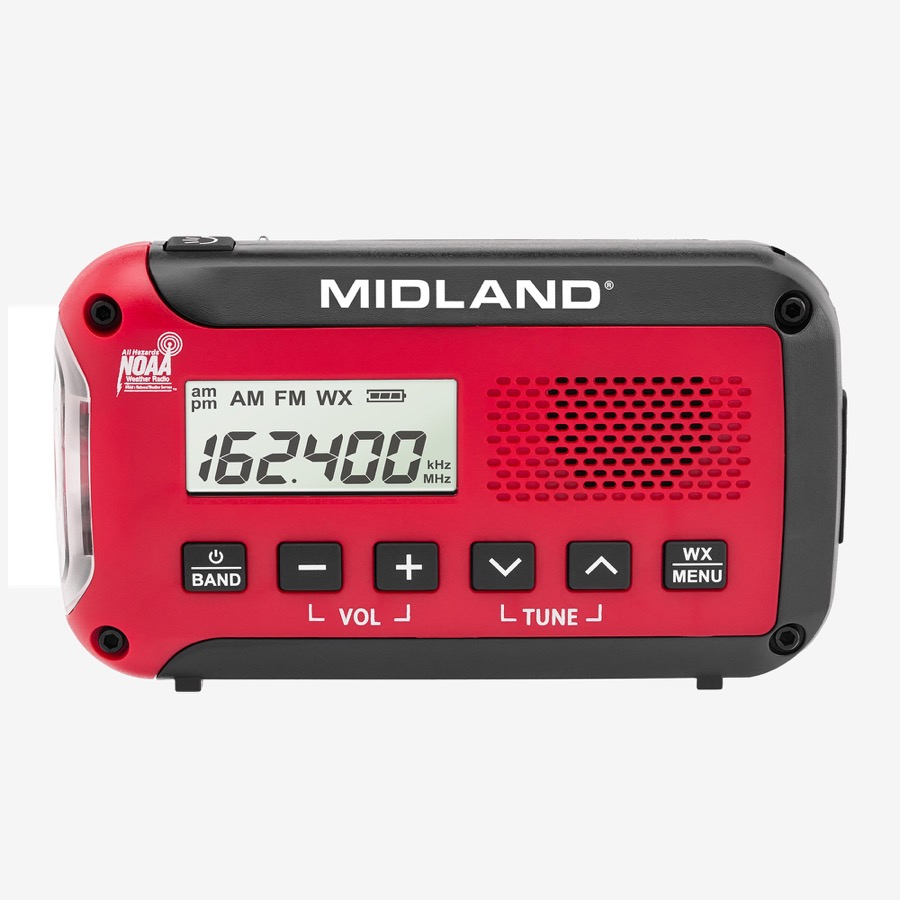
Register for local emergency notifications and keep a battery radio and written contacts as backups.
Your evacuation kit has to move.
Keep the core supplies together, light enough to carry, and positioned where they can reach the vehicle quickly.
Grab-and-go essentials
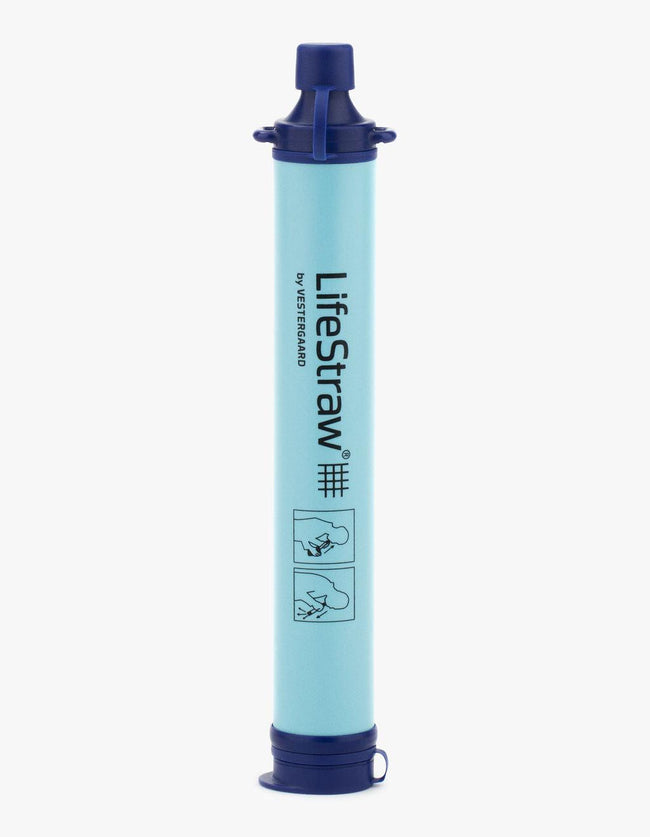
- Water and portable food for at least three days
- Flashlights or headlamps with spare batteries
- Phone chargers, power banks, and a battery radio
- Seasonal clothing, sturdy shoes, gloves, and basic hygiene supplies
Health and smoke
- Necessary medicine and a written medication list
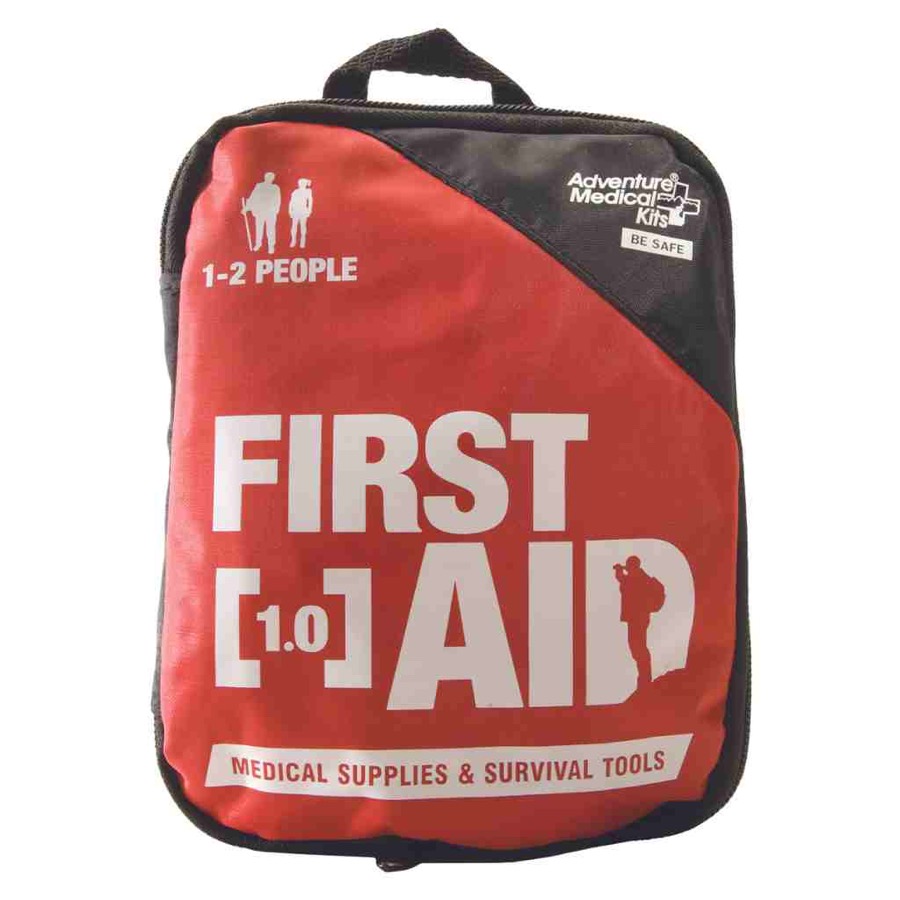
- First-aid supplies matched to your household
- Well-fitting NIOSH Approved respirators for household members who can safely wear them
- Eye protection and supplies for medical or mobility needs
Documents and money
- Identification, insurance, medical, and property records
- Emergency contacts and an out-of-area check-in person
- Cash in small bills and copies of important keys
- A secure digital backup of irreplaceable records and photos
Pets and dependents
- Pet carriers, leashes, food, water, medicine, and vaccination records
- Comfort and feeding supplies for infants and children
- Mobility, hearing, vision, or respiratory equipment
- A destination that can accommodate every person and animal
Build one cleaner-air room.
If officials have not told you to evacuate and the structure is safe, reduce smoke indoors by closing windows and doors, setting compatible HVAC systems to recirculate, and using a suitable portable air cleaner or the highest-efficiency filter your system can safely handle.
Use AirNow and local alerts rather than judging conditions only by sight or smell.
REDUCE INDOOR POLLUTIONAvoid candles, fireplaces, smoking, aerosol sprays, and other activities that add particles indoors.
USE THE RIGHT RESPIRATORWhen outdoor exposure cannot be avoided, CDC guidance recommends a well-fitting NIOSH Approved respirator such as an N95 or P100. Fit and individual health needs matter.
Do not wait for a perfect signal.
Monitor local emergency management, fire officials, weather, and official incident information. Keep more than one way to receive alerts.
Take people, pets, medicine, documents, and the prepared kit. Traffic, smoke, and road closures make late departures more dangerous.
Wait for officials to say the area is safe. Watch for hot ash, damaged utilities, unstable trees, debris, and contaminated food or water.
Keep the essentials ready to move.
Browse wildfire-oriented gear or start with a complete kit and personalize it for your household.
Official references.
This guide provides general educational information—not live incident, medical, or evacuation advice. Follow current local emergency instructions for the actual wildfire.