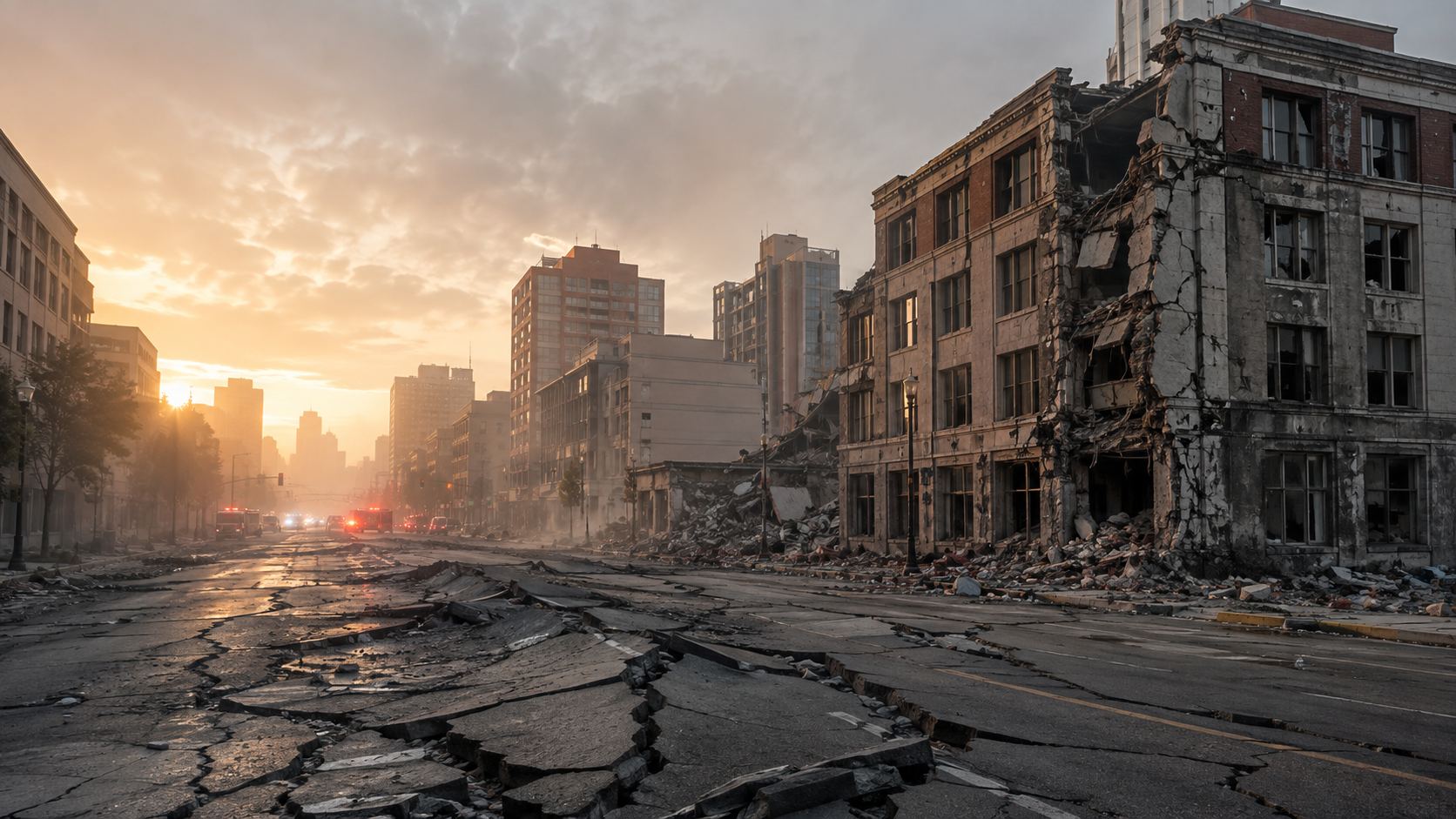
Drop to your hands and knees. Cover your head and neck and get under a sturdy desk or table if one is close. Hold on until the shaking stops. Do not run outside or stand in a doorway.
Make the room safer before it moves.
Most preparation happens long before an earthquake. Secure what can fall, decide how the household reconnects, and place supplies where damaged rooms will not trap them.
Secure the space
Anchor tall furniture, televisions, water heaters, mirrors, and hanging objects. Add cabinet latches and keep heavy breakables low.
Plan communication
Choose an out-of-area contact, meeting places, and backup ways to receive official information when networks are overloaded.
Learn the controls
Know where utilities shut off and when they should—or should not—be turned off. Keep an extinguisher and learn first aid and CPR.
Your safest move depends on where you are.
Stay inside. Drop, Cover, and Hold On. Move only as far as needed to reach nearby cover and stay away from windows and objects that may fall.
Stay there and protect your head and neck with a pillow. Keep sturdy shoes and a flashlight close enough to reach afterward.
Move toward an open area if you can do so safely. Stay away from buildings, walls, trees, streetlights, and power lines.
Pull over and stop away from overpasses, buildings, trees, and utility wires. Stay in the vehicle until shaking ends.
Lock the wheels, remain seated, bend forward if possible, and protect your head and neck until the shaking stops.
When strong shaking stops, move quickly to higher ground or inland. A tsunami may arrive before an official warning.
The first shaking may not be the last.
Expect aftershocks and repeat Drop, Cover, and Hold On whenever shaking returns.
- 01Pause and protect your feet
Look for immediate danger before standing. Put on sturdy shoes because broken glass and debris are common hazards.
- 02Check people first
Give first aid within your training and call for emergency help when possible. Do not move a seriously injured person unless danger requires it.
- 03Check for fire and utility danger
Leave if you smell gas or suspect a leak. Avoid flames, appliances, light switches, and other possible sparks. Report the problem from a safe place.
- 04Inspect before re-entering
Stay away from damaged buildings, chimneys, power lines, and unstable trees. Return only when authorities say it is safe.
One giant tote is not the whole plan.
Three portable days
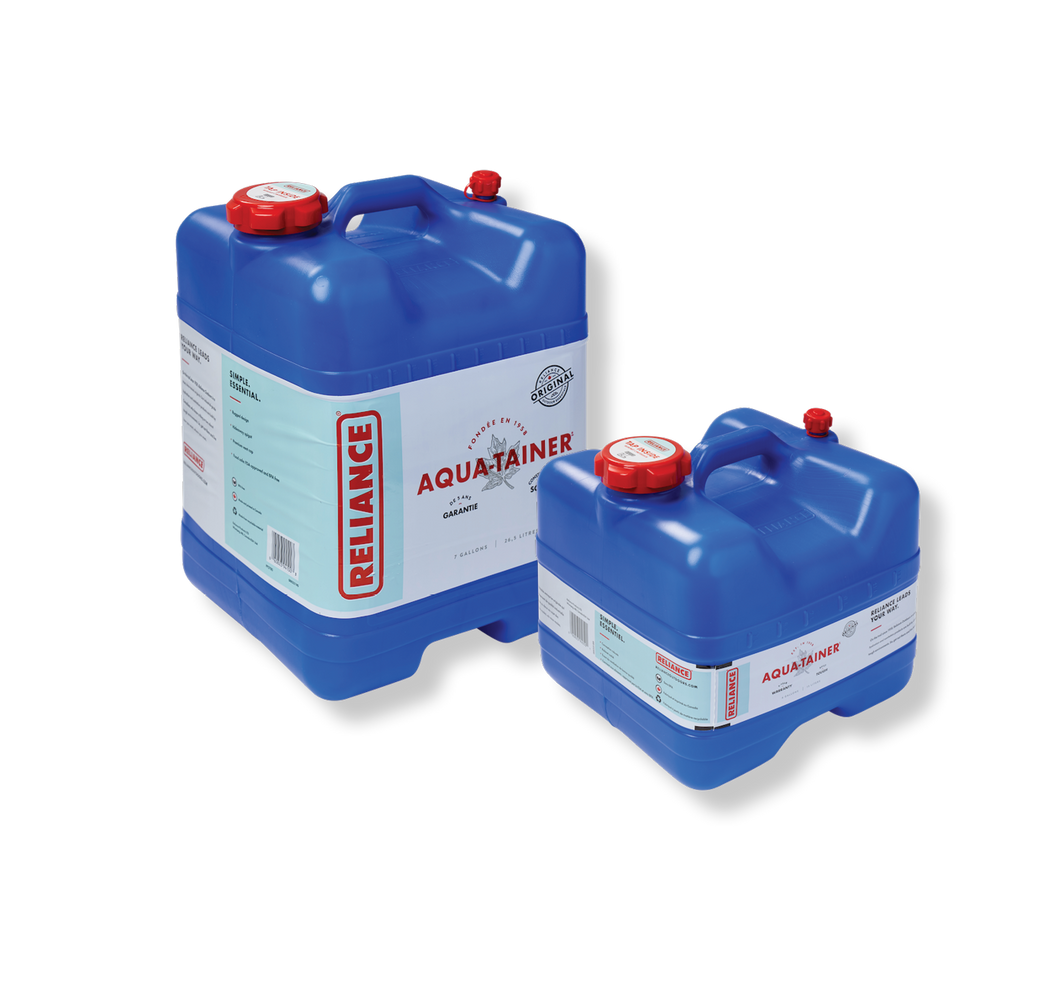
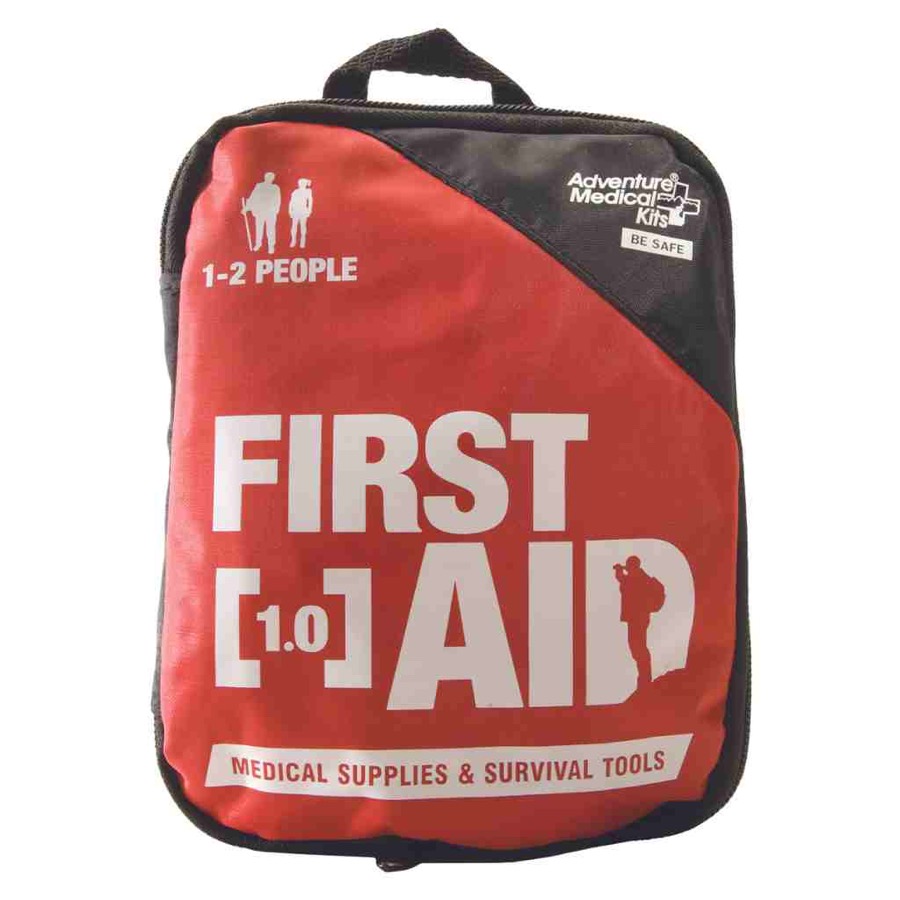
Water, food, medicine, light, radio, chargers, documents, clothes, and personal supplies you can carry.
Shop portable kits HOME KITTwo-week foundation
Stored water, food, sanitation, first aid, lighting, communication, and backup power for a longer service disruption.
Compare complete kits BED KITReach it in the dark
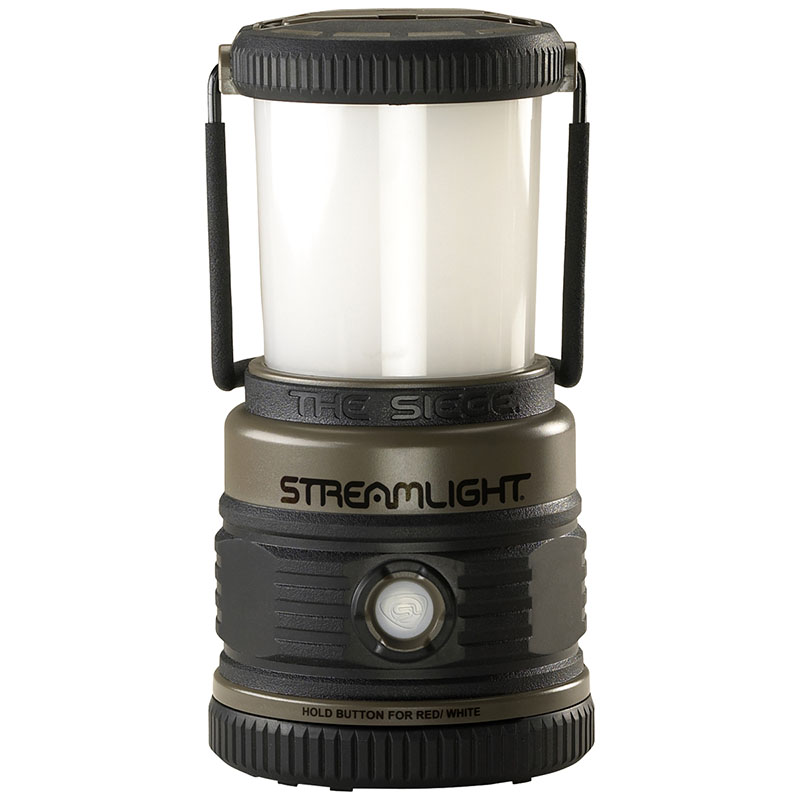
Sturdy shoes, flashlight, glasses, whistle, dust protection, and necessary mobility items secured beside the bed.
Shop emergency lightingSecure first. Supply second.
Browse earthquake-oriented gear, or start with a complete emergency-kit foundation and adapt it to the people and rooms in your home.
Official references.
This guide provides general educational information—not live structural, utility, medical, tsunami, or emergency advice. Follow current instructions from local officials.